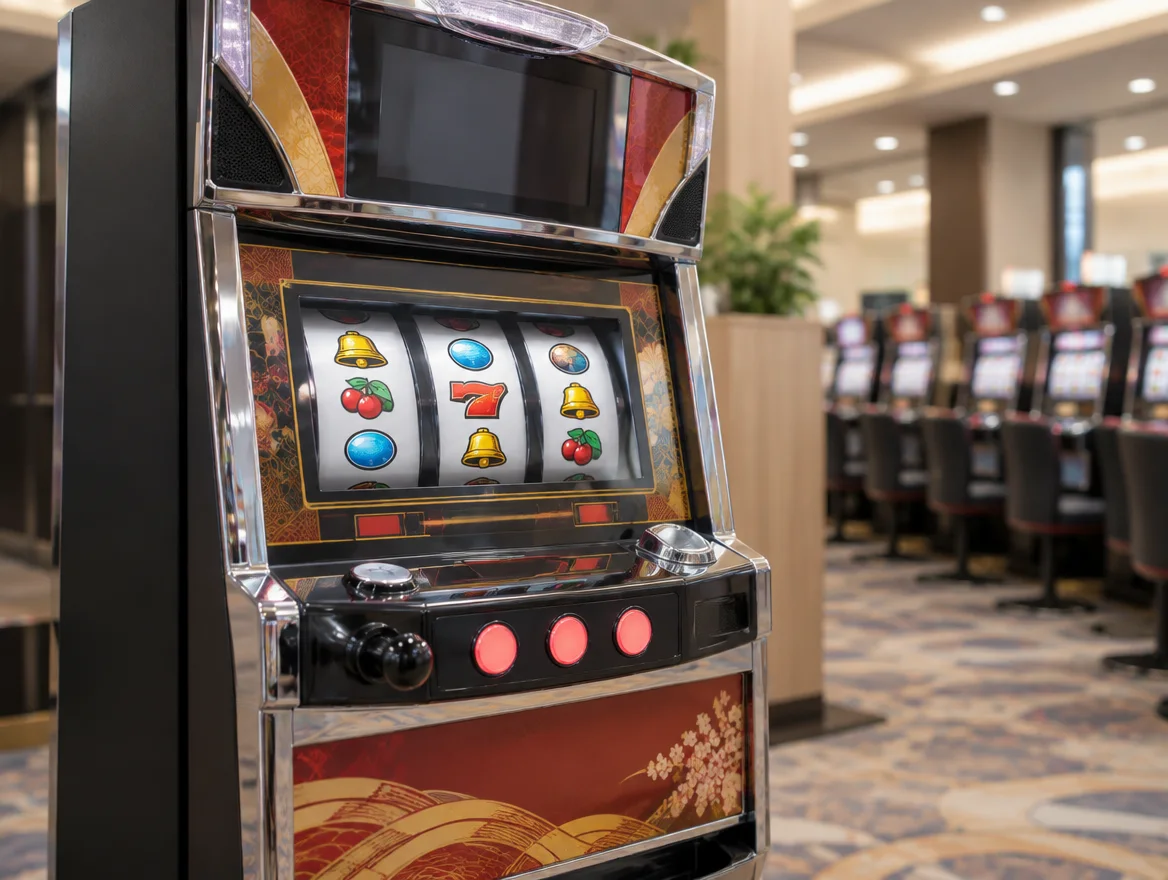
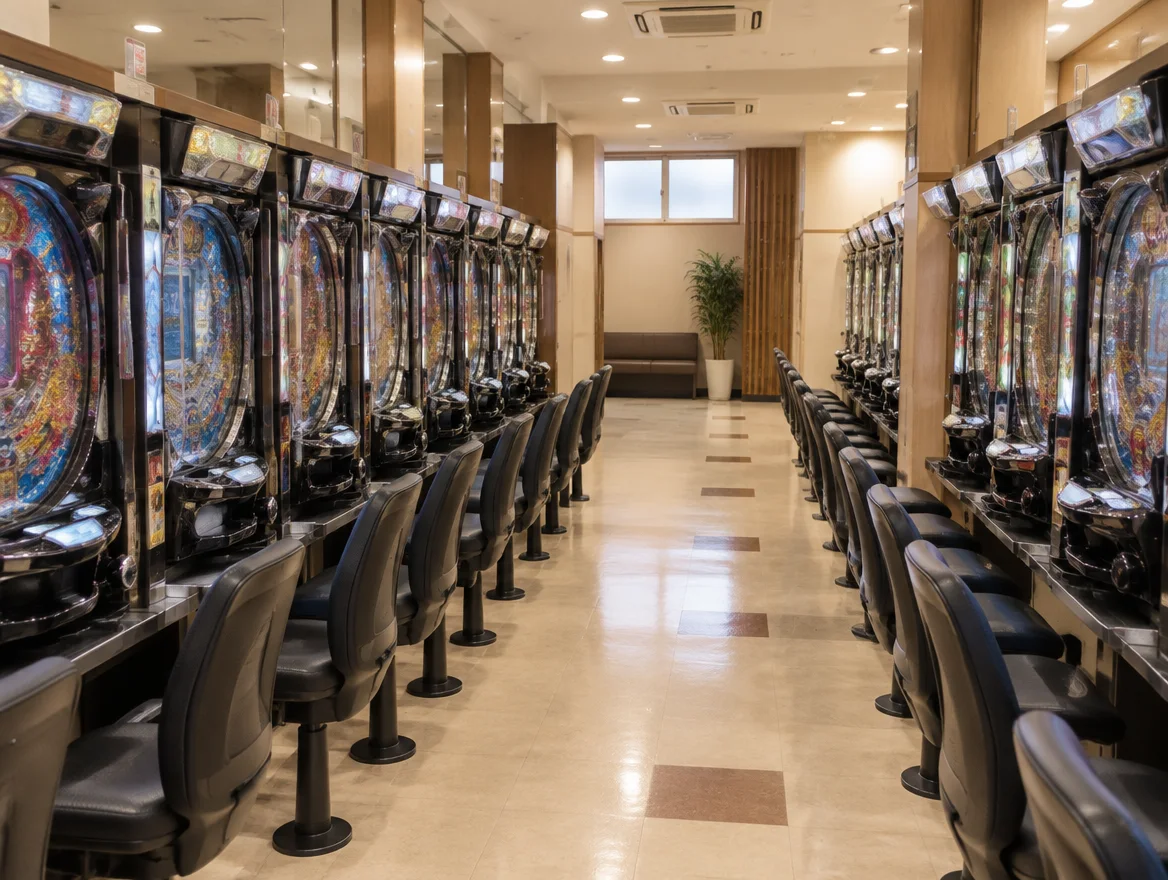
Yes. Anyone aged 18 or over can walk into a Japanese pachinko parlour and play, whether you’re on a two-week trip or live here. You don’t need to be Japanese or a resident, and there’s no sign-up or entry fee. The real hurdles are practical: everything is in Japanese, the halls are loud, and the rules of the machines aren’t obvious. This page covers what you actually need, and where to start if you’d like help in English.
The short version
| Question | Answer | Source |
|---|---|---|
| Can tourists play? | Yes. Halls are licensed amusement businesses, open to adults | Fūeihō on e-Gov; is pachinko gambling? |
| Minimum age | 18 | MARUHAN |
| ID | Not needed just to play, but staff may ask for a passport if you look under 18 | MARUHAN |
| Membership | Not needed to play. Joining a hall’s member programme needs public ID | MARUHAN FAQ |
| Language help | Documented at a handful of halls (see below) | Find a parlour |
| What it costs | ¥4 a ball for standard pachinko, cheaper corners in most halls | What pachinko costs |
Is it legal for foreigners?
Pachinko halls operate under the Act on Control and Improvement of Amusement Business (風営法, Fūeihō), with licences from each prefecture’s public safety commission (e-Gov; Pachinko Industry Web Reference). The rules apply to the hall, not to your passport: the same machines, rates and prizes are available to every adult customer. Halls can’t pay out cash; how prizes turn into money is explained in is pachinko gambling?. That page isn’t legal advice, and neither is this one.
Do halls want foreign visitors?
Some clearly do. Japan’s largest chain, MARUHAN, runs an official “Let’s Play Pachinko” programme: staff who can teach you how to play in English, Chinese and Korean, and a free manga guide (MARUHAN). Most other halls don’t advertise language help, but walking into any licensed hall is fine. Expect Japanese-only help and polite gestures.
On PachiPass, these halls have strong documented English help (an official source describes it):
- Tokyo: MARUHAN Shinjuku Toho Bldg., AMUSE Asakusa
- Osaka: MARUHAN Namba Hon-kan, MARUHAN Namba Shin-kan, MARUHAN Shinsekai, Q-Bang! Nishi Umeda, Q-Bang! Higashi Umeda
Every other listing shows its own evidence level, from “some” to “none documented”. See how we rate parlours. For specific areas, see the best parlours in Shinjuku, Namba and Akihabara.
What to bring
- Your passport. You probably won’t need it, but staff may ask if you look young (MARUHAN).
- Yen in cash. Japan Guide notes that balls are bought at each machine with cash or prepaid cards (Japan Guide). Decide your limit first and leave the rest at your hotel; set a pachinko budget shows how.
- A few Japanese phrases, or our staff help card on your phone. “Hajimete desu” means “it’s my first time” (phrases).
- Earplugs, if you’re sensitive to noise. Japan Guide describes parlours’ “noisy interiors” (Japan Guide).
Winnings, prizes and tax
You don’t win cash at the machine. You swap balls or medals for prizes at the counter: snacks, drinks and everyday goods, or “special prizes” that a separate shop may buy (prizes explained). Whether that money is taxable in Japan depends on your situation; see pachinko and tax in Japan and check with a professional if it matters to you.
Tourist or resident: anything different?
Not at the machine. Residents are more likely to join a hall’s membership programme to save balls between visits (member cards), which needs public ID (MARUHAN FAQ). If you live in Japan, our expat guide covers the rest.
Your first visit in five steps
- Pick a hall with documented help if you can (find a parlour).
- Choose pachinko or pachislot (the difference), and start at a 1-yen corner if there is one.
- Feed one note into the unit and watch how the machine responds (how to play pachinko).
- Follow the house rules: no photos without asking, don’t touch someone else’s seat (etiquette).
- Stop at your limit, collect a prize as a souvenir, and leave.
More: first visit, step by step · what is a pachinko parlour? · cheat sheet
Quick answers
Can foreigners play pachinko in Japan?
Yes. Pachinko halls are licensed amusement businesses and you don't need to be Japanese or a resident to play. You must be 18 or older. Some large halls actively welcome visitors: MARUHAN, for example, runs a visitor programme with help in English, Chinese and Korean.
Do tourists need a passport to play pachinko?
Not just to play. MARUHAN says staff may ask for ID such as a passport if you look under 18, so carry it. Joining a hall's membership programme is a separate step that needs ID; you don't need membership to play.
Can tourists exchange pachinko prizes for cash?
Halls can't pay cash. They give prizes, including 'special prizes' that a legally separate exchange shop may buy. You can also just pick snacks or souvenirs. See our guide to the law and the three-shop system; this isn't legal or tax advice.
Which pachinko parlours help foreign visitors?
On PachiPass, seven halls have strong documented English help: MARUHAN Shinjuku, MARUHAN Namba Hon-kan and Shin-kan, MARUHAN Shinsekai, Q-Bang! Nishi Umeda and Higashi Umeda, and AMUSE Asakusa. Each listing links its sources.
Sources
- MARUHAN – Let's Play Pachinko (official visitor page: EN/CN/KR help, 18+, staff may ask for a passport)
- MARUHAN – FAQ (membership registration needs public ID; Japanese)
- e-Gov – Act on Control and Improvement of Amusement Business (Fūeihō; official law database, Japanese)
- Pachinko Industry Web Reference – Pachinko and the Law
- Japan Guide – Pachinko
Facts on this page were last checked against these sources on 18 November 2026. Rules, prices and venues change, so always follow the signs and staff at the venue.