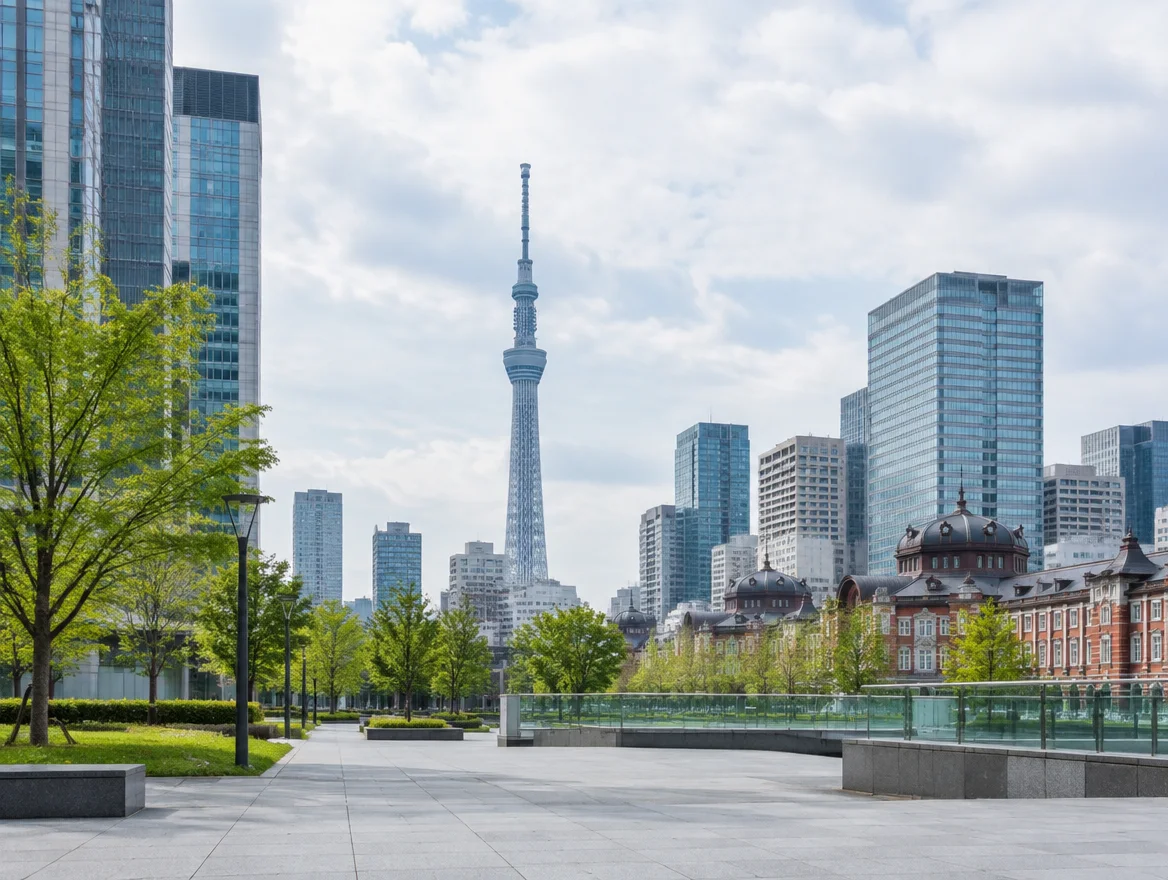
Tokyo 東京
10 listings · 2 with verified help
Every listing shows what’s actually documented about foreign-language help, where that information comes from, and when we last checked it. Most halls in Japan have no foreign-language support, so a short honest list beats a long guessed one.
10 listings · 2 with verified help
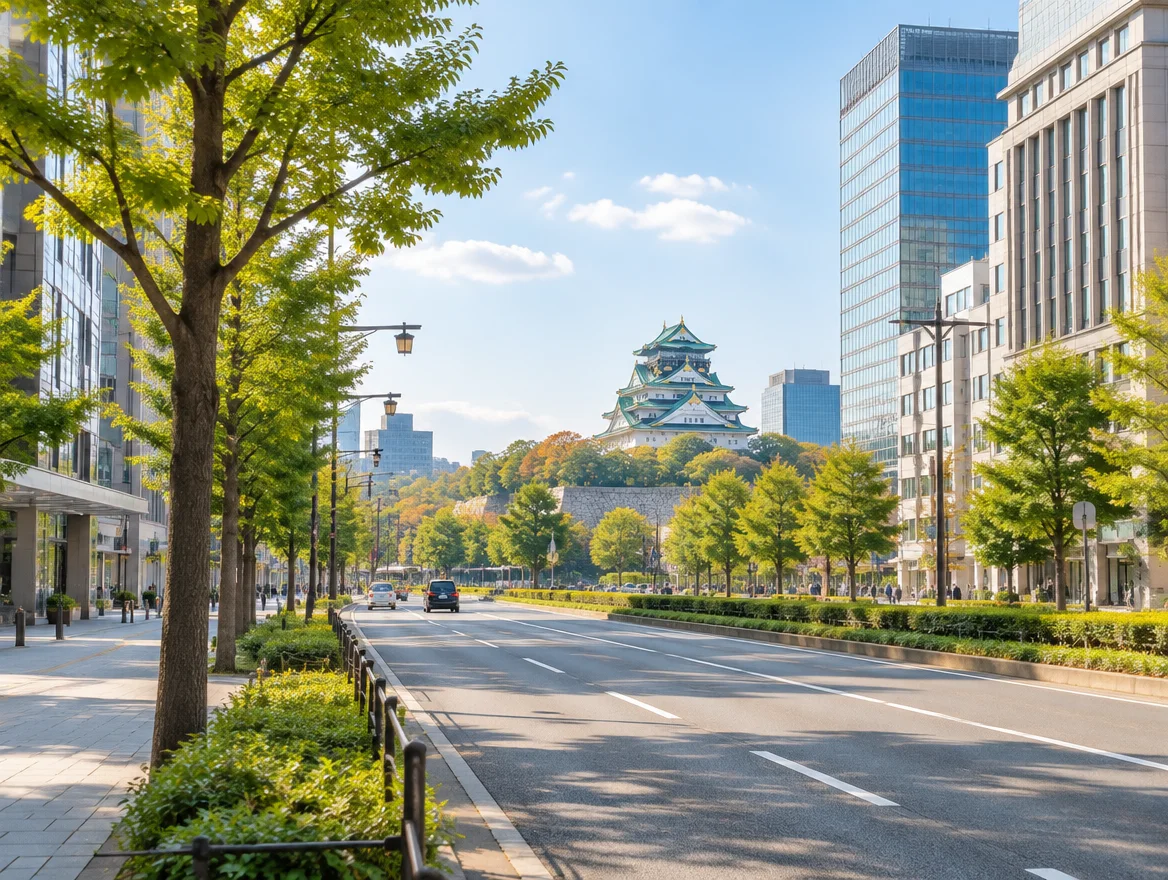
6 listings · 5 with verified help
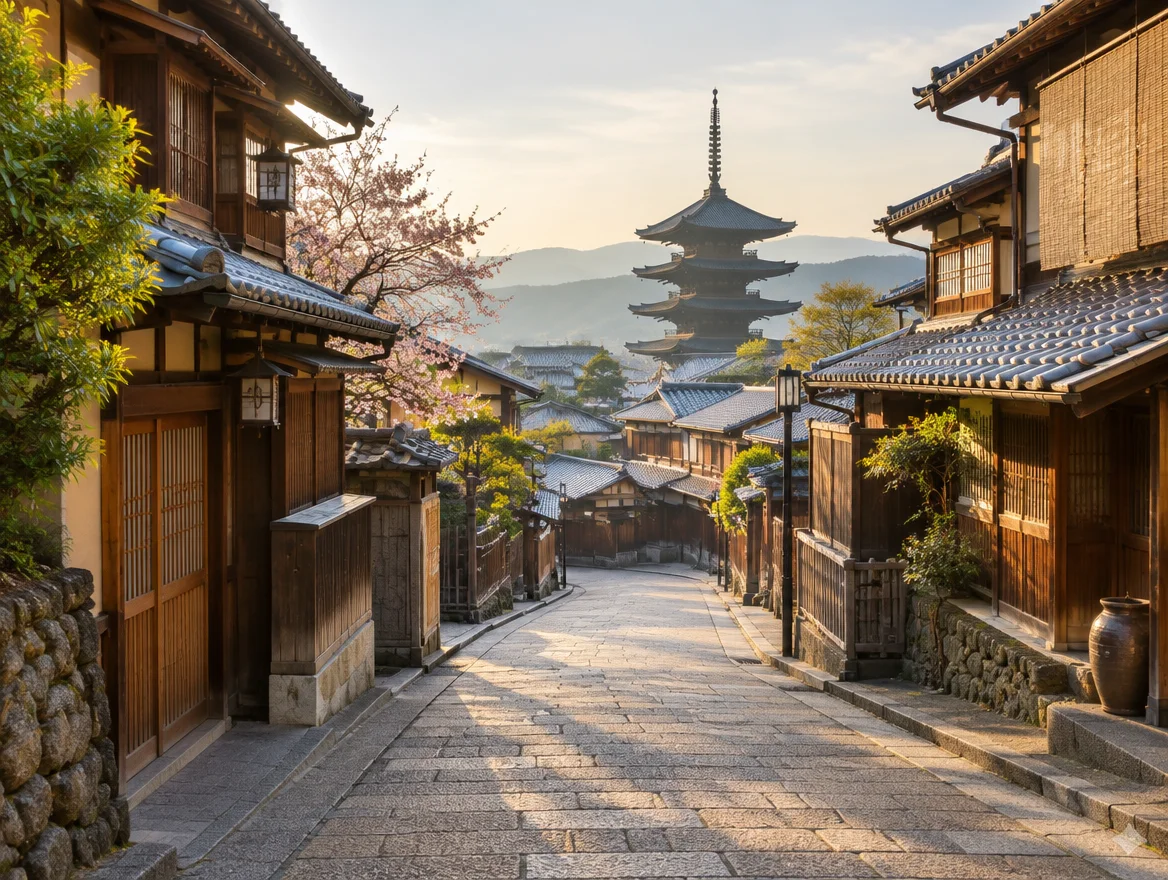
2 listings · 0 with verified help
6 listings · 3 with verified help
1 listings · 0 with verified help
1 listings · 0 with verified help
Showing 26 of 26
One of MARUHAN's three visitor-ready Osaka halls, a short walk from Dotonbori. Free manga guide and how-to-play help in English, Chinese and Korean.
MARUHAN's second Namba visitor hall: 1,086 machines, a free manga guide and how-to-play help in English, Chinese and Korean.
The biggest of MARUHAN's visitor halls (1,400 machines), in Osaka's retro Shinsekai district. Multilingual guide and staff help.
The second Q-Bang! hall on the operator's visitor site, with the same multilingual guide and staff-attended experience for first-timers.
Q-Bang! runs a dedicated visitor site with two ways to try pachinko: a 'normal experience' with a multilingual manual, or an 'attended experience' where staff help you from first ball to prize counter.
Japan's biggest chain runs a visitor programme here: a free manga how-to guide and staff who can teach in English, Chinese or Korean. The easiest first stop in Tokyo.
Steps from Asakusa's temples. The operator says it hands out game manuals in English, Chinese and Korean, has a foreign-currency exchange machine and uses Pocketalk translators. English-speaking staff are not confirmed.
Beside Hakata Station. The operator publishes English and Korean store pages and an English beginner guide; business media and a job advert point to Korean-language guidance and Korean-speaking staff. In-hall English help is not confirmed.
Between Tenjin and Nakasu. The operator runs dedicated Korean, Chinese and English pages, with Korean how-to videos; trade press says most of its customers are Korean. In-hall English help is not confirmed.
A small suburban chain south and east of Fukuoka city with chain-level English and Korean how-to pages. Not a tourist hub, and in-hall help is not confirmed.
In central Tenjin. The operator publishes an English store page and a chain-wide English beginner guide (also in Korean). No reports of in-hall help.
About five minutes' walk from Nagoya Station. The hall has official English and Korean pages, including how-to-play guides. In-hall staff support is not confirmed.
A small hall in Takayama aimed at foreign visitors, which trade press says opened in December 2024 with an English-speaking staff member and translation apps. No official website found, and the address is not confirmed.
One minute from Nippori Station's South Exit. Listed as a Global Pachinko partner hall, and the English-language Global Pachinko tour visits it. English materials in the hall itself are not confirmed.
An Akihabara hall named by an English-language pachinko tour. Visitor reviews of English help are mixed. No official foreign-language information found.
Next to Akihabara Station. Visitor reviews only: one mentions an English explanation of how things work, another says staff didn't understand English. No official foreign-language information found.
Two minutes from Mita Station. A local shopping-street association's English listing says guidebooks are available in English, Chinese and Korean, but that listing may be out of date and the official site has no language information.
Korean support only: the operator runs a Korean site with how-to pages and directions from Fukuoka Airport and Hakata Port, a Korean–Japanese translator at the counter, and member cards issued with a passport. No English support found.
Appears on the operator's English-language branch list, but nothing confirms English help inside the hall. Good to know about, but not a 'foreigner-friendly' pick yet.
Listed on the operator's English branch list. In-hall English help is not confirmed.
A Hakata hall in an area that business media describe as popular with Korean visitors, with Korean-language guidance. No official foreign-language page found, and the address is not confirmed from an official source.
GAIA's only Akihabara hall, near the Showa-dori exit. One English-language guide says GAIA Akihabara has multilingual signage; we have not verified that claim.
In the heart of Akihabara, in the Don Quijote building. It's described online as helpful to English speakers, but we have found no official confirmation of language support.
A hall near Kyoto Station that appears in a national hall listing. We haven't confirmed its details ourselves yet, and no foreign-language support is documented.
A long-established hall on central Kyoto's Kawaramachi street. Address and hours are documented, but there's no documented foreign-language support.
A time-limited project (13 Mar–9 Jun 2026): machine maker Newgin put a pachinko corner in an internet café, with English lectures and a roughly 15-minute taster bundled with a food order. Now ended.
Nothing matches those filters yet.
Submissions we’ve approved for listing but haven’t verified. Treat them as “reported” and confirm with the hall before you go.
Reported, unverifiedEnglish support evidence: Strong: an official operator source describes English help in the hall, with corroboration. Medium: official English web pages or guides, inbound-programme partners, tours or trade press. Weak: third-party claims or reviews only.
Know a hall with good foreign-language help? Tell us and we’ll verify it.