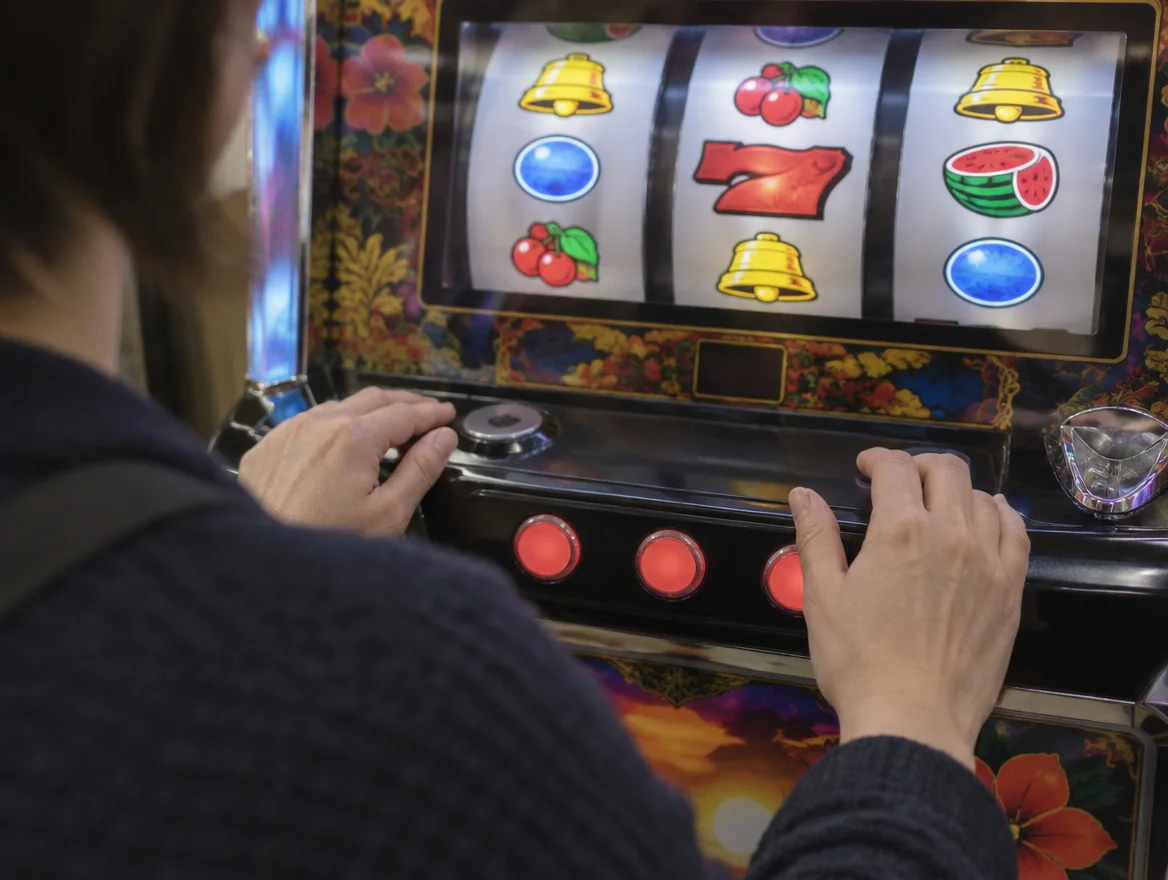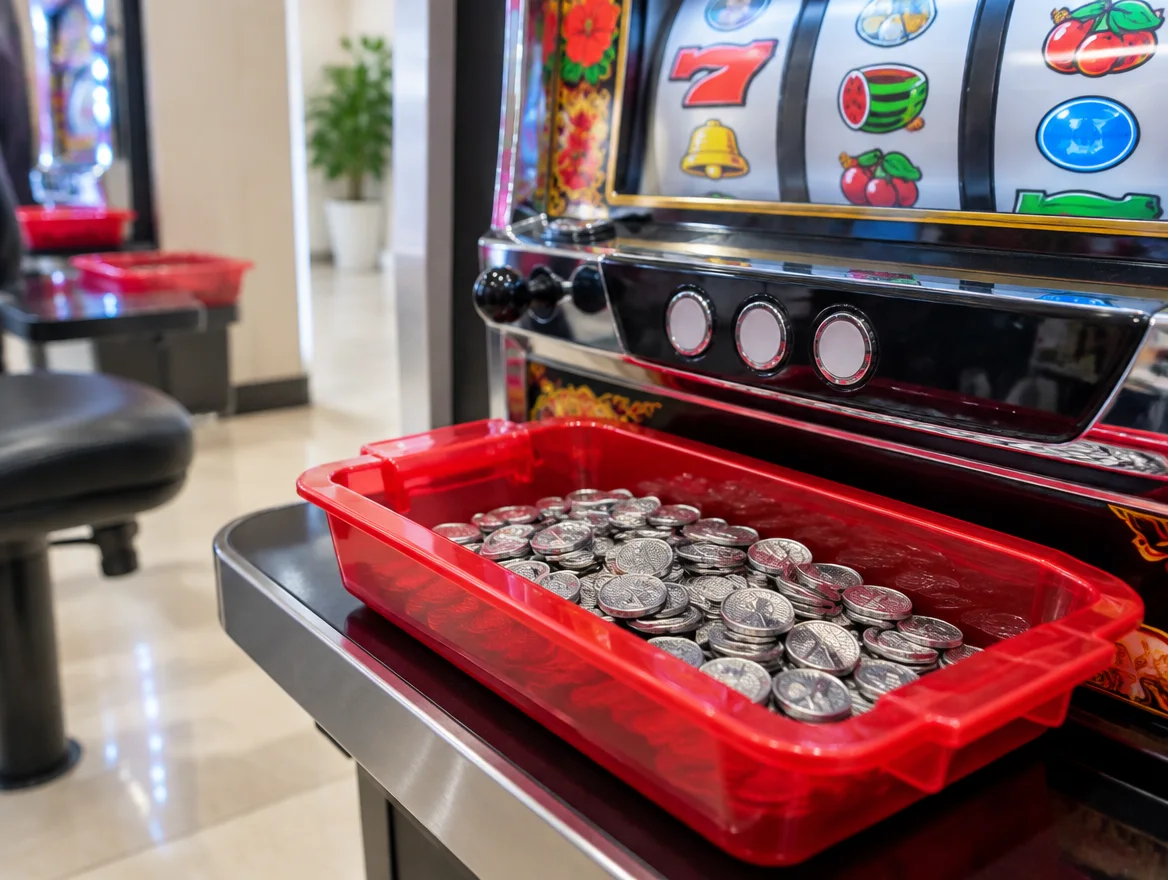
In English pachislot circles you’ll hear “ceiling” a lot, and sometimes see people hovering behind a machine with a big number on its data counter. Here’s what a ceiling (天井, tenjō) is, what its pachinko cousin yu-time (遊タイム) is, and why PachiPass treats both as background knowledge rather than a plan.
Ceilings in pachislot
A ceiling is a machine-specific rule. If the machine goes a set number of games (or cycles, on some designs) without reaching its main feature, it grants the feature or moves strongly toward it. The details differ for every title: the count, what counts towards it, what you get, and whether it resets.
History in one line: Japanese Wikipedia notes that ceilings were revived under the 6th-generation rules from 2018 (ja.wikipedia 6号機 (パチスロ), secondary source). See pachislot generations.
We don’t publish ceiling counts for individual machines. They change between versions, and we only take specs from official maker sheets. Our machine pages link to the official source where one exists.
Yu-time in pachinko
Yu-time is pachinko’s version. After a set number of spins in normal play without a jackpot, the machine switches to jitan, with normal odds but fast, cheap spins (kakuhen, ST and jitan).
- It appeared after an industry rule change at the end of 2019, and DMM names P Fever Shin Kagetsu 2 Yozakura as the first machine to carry it (DMM, Japanese).
- Since April 2022, the trigger has to sit between 1.5× and just under 3× the jackpot odds denominator (SANKYO Q&A 36).
- On SANKYO’s P Fever Powerful example (odds 1/99.9), yu-time gives 100 jitan spins after 292 normal spins (SANKYO).
- SANKYO says plainly that yu-time doesn’t guarantee a jackpot.
How they show up on the data counter
The data counter above each machine shows the number of spins or games since the last jackpot or bonus. It’s often labelled スタート or 回転数 (P-Summa, Japanese). That’s the number people compare with a ceiling or yu-time trigger.
Two cautions:
- The counter isn’t the machine’s internal count. What resets the ceiling (for example a machine reset at opening) may not match what the counter shows.
- Pachinko odds are fixed. A machine with a high “since last hit” number is not more likely to hit on the next spin, apart from the designed yu-time switch (P-Summa).
See how to read the data counter.
Why we don’t do “ceiling guides”
Some English and Japanese sites publish target counts and “worth it” numbers for every machine. We’ve decided not to, for three reasons:
- They encourage chasing. Australia’s government health service lists chasing losses (trying to win back what you lost) as a sign of gambling addiction (healthdirect), and NSW’s GambleAware lists it among the signs of gambling harm (GambleAware NSW).
- They’re easy to get wrong. Reset conditions, versions and hall practices vary.
- It isn’t our purpose. PachiPass is about enjoying pachinko as culture and entertainment.
Quick answers
What is a ceiling (天井) in pachislot?
A ceiling is a built-in limit: if a machine goes a certain number of games (or cycles) without reaching its main feature, it grants that feature or moves strongly toward it. Each machine has its own ceiling rules, and not every machine has one.
Is yu-time the same as a ceiling?
It's the pachinko cousin. Yu-time (遊タイム) gives a period of jitan after a set number of spins in normal play without a jackpot. SANKYO's official Q&A states it doesn't guarantee a jackpot.
Should I look for machines close to their ceiling?
We don't recommend it. Ceiling rules vary by machine and can reset. The cost of reaching a ceiling can be large, and chasing one is a common way to overspend. Play for fun with a fixed budget.
Sources
- ja.wikipedia – 6号機 (パチスロ) (ceilings revived under 6th-generation rules; secondary source)
- SANKYO official Q&A – yu-time (trigger 1.5× to under 3× the odds denominator since April 2022; not guaranteed)
- SANKYO – spec-sheet example with yu-time (292 spins → 100 jitan)
- DMM Pachitown – yu-time history (Japanese)
- P-Summa – reading a data counter; odds are fixed (Japanese)
- healthdirect (Australian Government) – gambling addiction signs incl. chasing losses
- GambleAware NSW – recognising the signs of gambling harm
Facts on this page were last checked against these sources on 4 October 2026. Rules, prices and venues change, so always follow the signs and staff at the venue.